WHAT IS DIABETES? ARE THERE DIFFERENT
TYPES?
Diabetes is a metabolic affection
characterised by the low production of the insulin hormone in the pancreas, or
by a bad use of it by the organism’s cells. As a consequence, glucose levels in
blood increases. This phenomenon is also called hyperglycaemia.
WHAT TYPES OF DIEBETES ARE THERE?
SYMPTOMS OF DIABETES
The main symptoms that can appear are:
Some complications may occur during
diabetes. For instance, there may appear chronic affections of the heart,
kidneys, eyesight... and some other may be acute (hypoglycaemia, ketoacidosis,
hyperosmolar nonketotic coma), which are caused by a bad metabolic control.
WHAT CAN I DO TO CONTROL DIABETES?
Controlling diabetes is mainly based
on:
- Must be healthy and balanced, avoiding
ultra-processed foods. Knowing the labels is important in this case. Often,
sugar is hidden under other names such as agave syrup, fructose syrup, juice or
honey made from cane, caramel, syrup, dextrose, maltodextrin, maltose, inverted
sugar, barley malt... Knowing well the labels and becoming a good “sugar-free
detective” is essential.
- Fruit is the key. Always eat the entire
fruit and avoid juices. This is because, in juices, we lose the fruit’s fibre
and make sugar absorption into blood faster. Better avoid compotes and jam,
even homemade ones, or either reduce their intake to the minimum.
- Fiber-rich foods are highly beneficial,
since they decrease the absorption of sugars and increases the speed of bowel
transit.
- Proteins: meat, fish, eggs. They are
needed to repair body tissues.
- Animal fats should be reduced and, in
exchange, include “good fats” like olive oil.
- Keep a fixed time for meals and do
smaller meals, but more frequently. This helps controlling glycaemia.
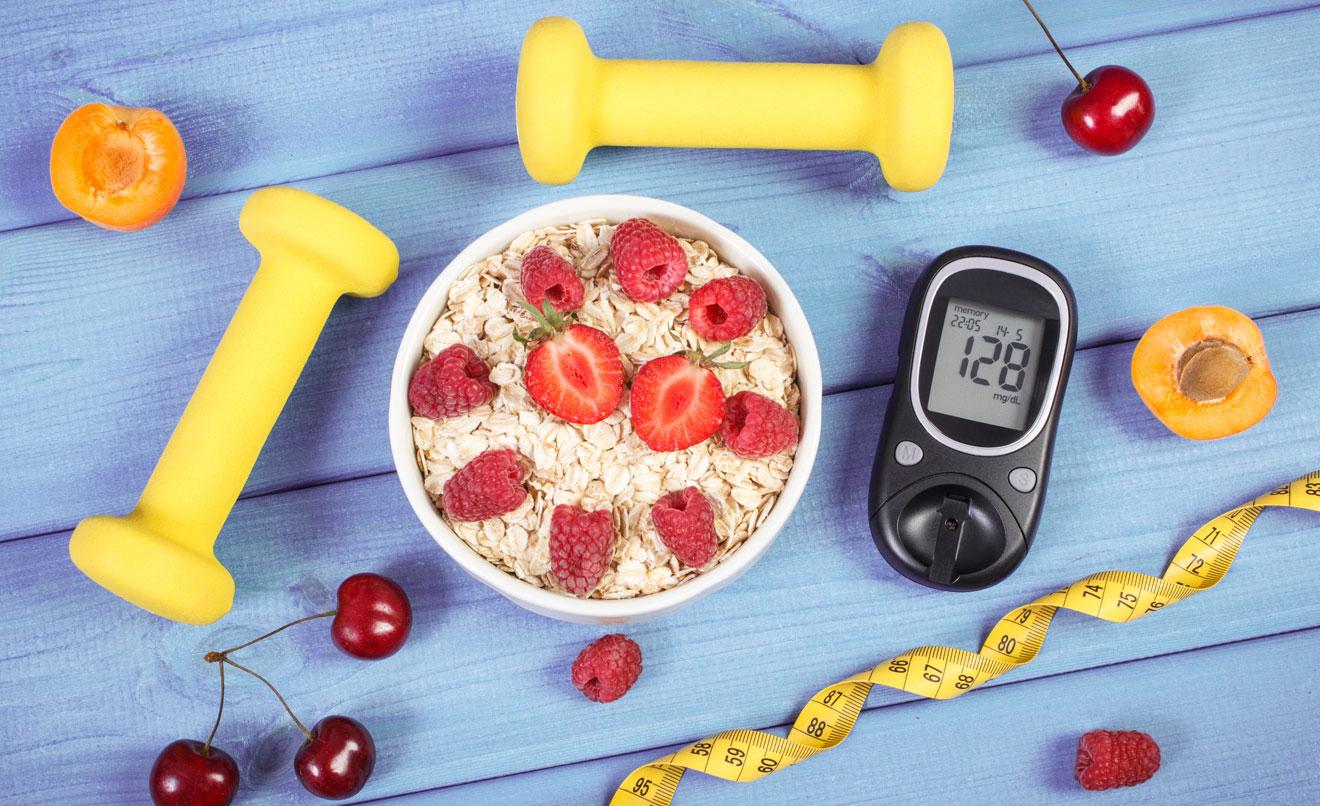
- Physical activity increases insulin
sensitivity and decreases glucose levels in blood. Moreover, doing exercise
helps maintaining a healthy weight and improves your cardiovascular health.
- Periodical check-ups are essential to
check your renal function, blood pressure, back of the eye, lipid profile and
other analytic determinations and explorations.
- Self-control techniques in urine and
blood: the patient should keep a “self-control diary” to allow them to assess
their situation at every moment and allow the doctor to asses the patent when
visiting.
- A good teeth hygiene is crucial, as
well as visiting your dentist for regular check-ups.
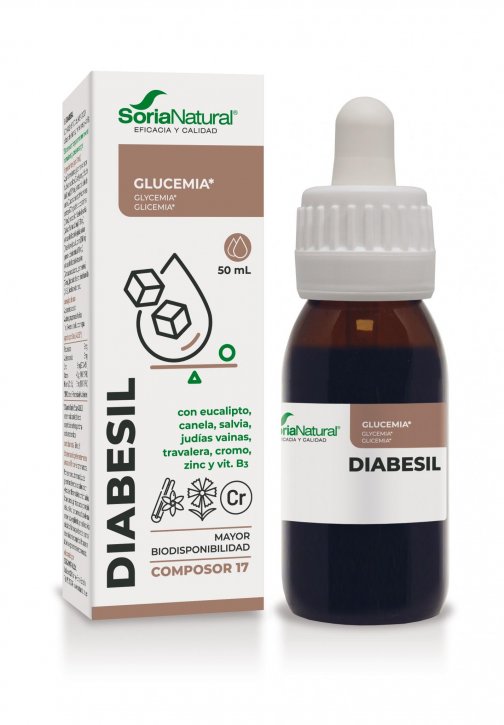
Some plants like eucalyptus, cinnamon or centaury have been traditionally used to treat diabetes and metabolic syndrome. They stand out thanks to its hypoglycaemic properties. Furthermore, some trace elements like chromium helps keeping normal levels of glucose in blood.